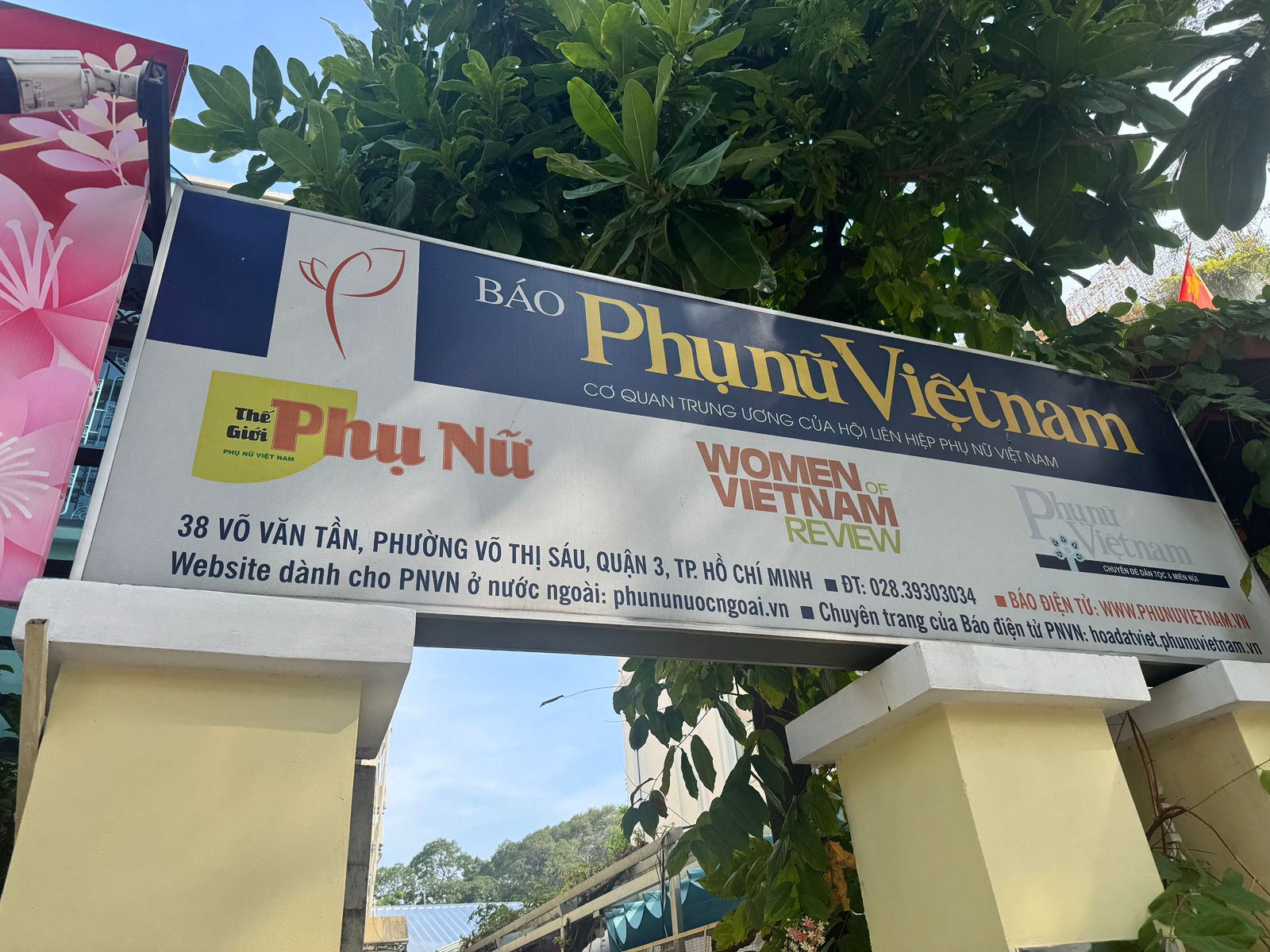
There are unplanned meetings that shape an entire project.
Café Rose — a small corner of Saigon — is where Mr. Nguyen Phuoc Long, Ms. Chau Linh, and I sat together through many afternoons. No plans on a board. No slides. Just three people, three different perspectives, and one question that kept returning to the coffee table: A beauty pageant, in the end, can become something more than itself?
I still remember the final beauty pageant nights I watched on screen. Dazzling stages. Glittering crowns. Tears filmed in close-up down to the centimeter. And after that night, everything passed like a beautiful dream — so beautiful that viewers couldn't remember the name of the third runner-up, couldn't remember which land birthed the new Miss, couldn't remember what flame that girl lit on stage was for.
A brilliance that fades quickly.
Mr. Long — as Southern Representative of Vietnam Women's Newspaper — said something that made me think for a long time: "Our newspaper has accompanied Vietnamese women through generations. But if a beauty pageant only stops at selecting a beautiful face, then that is a waste — wasting an opportunity to tell the story of Vietnamese women to the whole world." That sentence was not criticism. It was the responsible acknowledgment of a veteran journalist — someone who understands clearly that media can raise a person to the summit, or can let that glory dissolve into a moment after the awards night.
Ms. Chau Linh — Vice President of the Vietnam Cultural Industry Development Association — added a perspective that I believe is key to this entire project.
She said it's time Vietnam viewed culture not just as heritage to preserve, but as an industry to develop. South Korea did it with K-pop, K-drama, K-beauty. Japan did it with manga, anime, cuisine. China is doing it with cinema, Han fashion, period dramas. And Vietnam — with all its four-thousand-year historical depth — still doesn't have a cultural product strong enough to become a national symbol on the global market.
Ms. Chau Linh said: "A beauty pageant, if designed correctly, can become a locomotive for Vietnam's cultural industry. Because it brings together all three elements — people, story, and national-scale media stage. That's an asset few other industries have."
I sat listening to her speak and began to imagine a bigger picture.
Each region of Vietnam is a cultural goldmine yet to be properly exploited. Hue's áo dài is a product. Dong Ho painting is a product. Bat Trang pottery, Van Phuc silk, Phu Quoc fish sauce, Central Highlands coffee, Southern cuisine — all are products. But for them to travel from village craft to world markets, you need storytellers and story distribution channels. That's exactly the role a national-scale pageant can take on — if designed under the philosophy of cultural industry rather than purely entertainment philosophy.
But I told Mr. Long and Ms. Chau Linh that, if cultural industry has no roots, it will only be commercial packaging. Korea exports K-pop because behind it is jeong — the spirit and ethics of Koreans. Japan exports anime because behind it is wabi-sabi — millennia-old aesthetic philosophy. A nation cannot export the outer shell while lacking a cultural core.
So what is Vietnam's cultural core?
For me — the answer has been very clear for a long time: lineage culture.
No people in the world have ancestral worship tradition as dense as Vietnamese. No people have genealogy systems, family halls, and lineage churches as rich as ours. Each Vietnamese is born into a network — maternal kin, paternal kin, great-grandparents, lineage stretching across dozens of generations. Before being an individual, a Vietnamese is a child of a lineage. Before finding themselves, a Vietnamese has been given an identity.
This is the nation's greatest spiritual asset. And it's also the asset fading fastest under the waves of urbanization and globalization.
I told Ms. Chau Linh: This pageant, if there's one mission it absolutely must keep, it's restoring lineage pride in young Vietnamese people.
Because when a girl stands on the final stage, she's not just representing her face — she's representing the lineage that gave birth to her, the grandmother who lulled her to sleep, the maternal grandfather who told the first stories of her life, all the generations that silently contributed to the blood flowing in her today.
When television zooms in close on the moment the new Miss cries, the audience shouldn't just see a beautiful girl moved to emotion. The audience should feel — through that very girl — the weight of hundreds of years of a lineage gone past, and the trust of hundreds of years to come placed by that lineage onto her shoulders.
That is no longer a beauty pageant. That is a cultural ritual.
When I said that sentence, Mr. Long looked at me for a long time, then nodded slowly. He said Vietnam Women's Newspaper had written about Vietnamese women through generations, but never had a project combined all three elements — national media, cultural industry, and lineage culture — into one product. Ms. Chau Linh smiled and said this is exactly the type of project the Vietnam Cultural Industry Development Association has been waiting for over many years: a pageant that doesn't stand alone, but is an ecosystem development machine.
I looked at the street through the glass window of Rose. Saigon that afternoon had low clouds. I felt I had just touched something larger than myself — larger than the three of us combined.
There's still a lot of work to do. We're gradually consolidating. There are nights I sit writing very late. There are sessions when Mr. Long brings perspectives from the journalism industry I had never thought of. There are times Ms. Chau Linh reminds me not to let the project slip into the path of mass pageants — we must keep the spirit of cultural industry with roots, must preserve the depth of lineage culture, must not trade it for media pressure or commercial pressure.
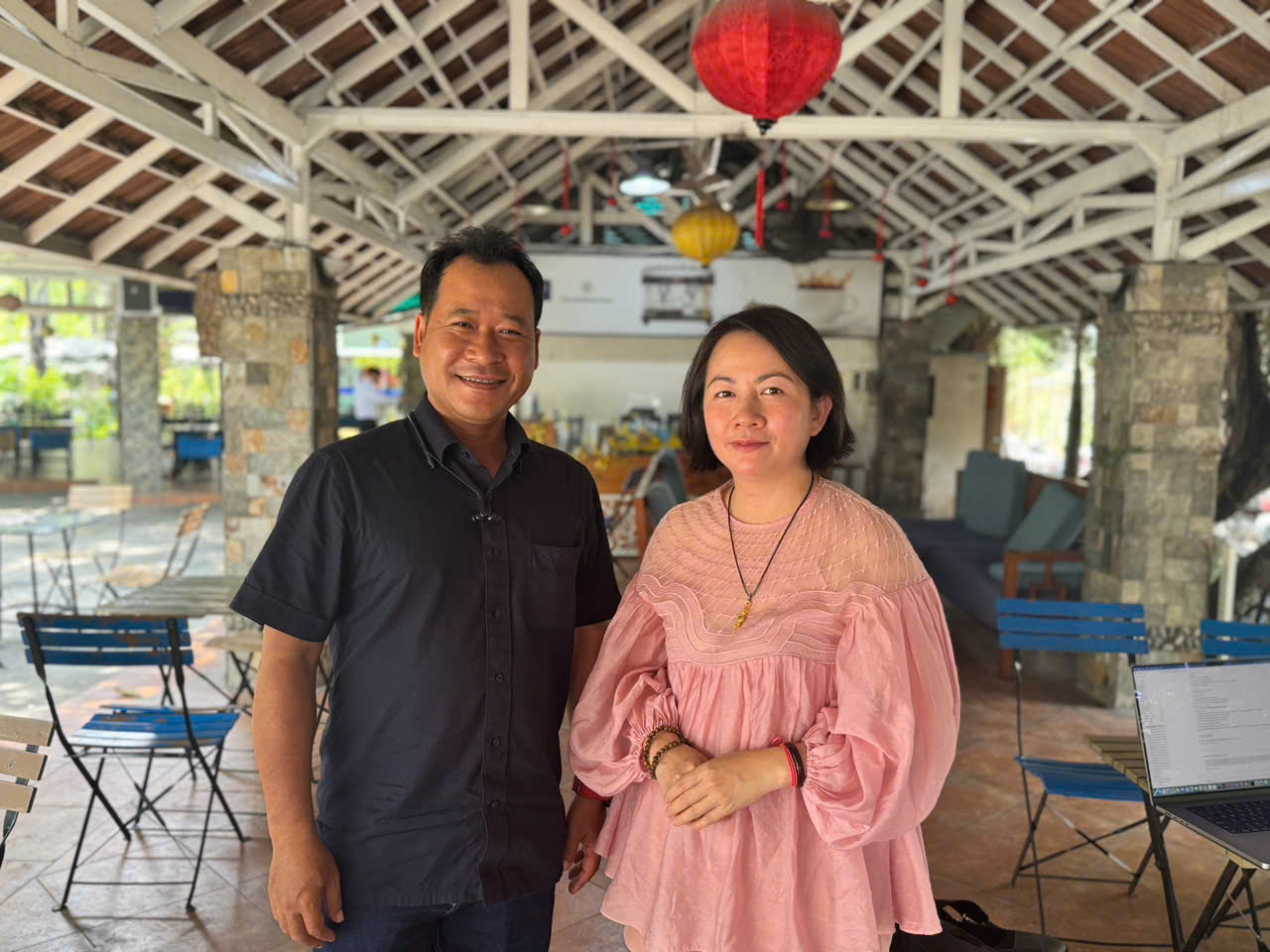
I take that to heart. Because if we lose these two core axes — cultural industry and lineage — then the pageant will just be one more event among the dozens that already exist. And we wouldn't have needed to conceive it if it weren't different.
I dream of a pageant where the talent round is not just singing and dancing, but telling the story of one's lineage. Each contestant when registering must bring their family genealogy — not to show off origin, but to understand who they are. The cultural identity round will require contestants to live with a traditional craft village for a time, learn a traditional skill, understand the value of a cultural product before standing before the camera. The Q&A in the final night will no longer be superficial questions about love or dreams — but questions that touch the depth of someone who already knows where they belong.
I dream of an ambassador ecosystem stretching many years, where after the final night, ambassadors don't dissolve but continue to accompany craft villages, heritage, cultural projects — turning the crown into a development tool rather than a personal reward.
I dream of a cultural institution born from a pageant, and after each season adding another layer of memory for the nation.
That Saigon night was very late when I left Rose. The streets were empty. I walked a long stretch to breathe.
On the way home, I thought of two words that I still believe are at the core of this journey: inheritance.
A lineage inherits across generations. A culture inherits across dynasties. A nation inherits across historical upheavals. And a pageant — if designed correctly — will inherit across seasons, so that each new Miss is not an individual standing alone, but a link in the long chain of Vietnamese tradition and cultural industry.
I don't know where this journey will lead us. But I know — certainly, without a shred of doubt — that it is a journey worth beginning.
And tonight, sitting writing these lines, I thank Mr. Long, thank Ms. Chau Linh, and thank all the people who will walk this path with us. Because an idea — no matter how big — is just an idea until there are people willing to walk with it through long nights at Café Rose.
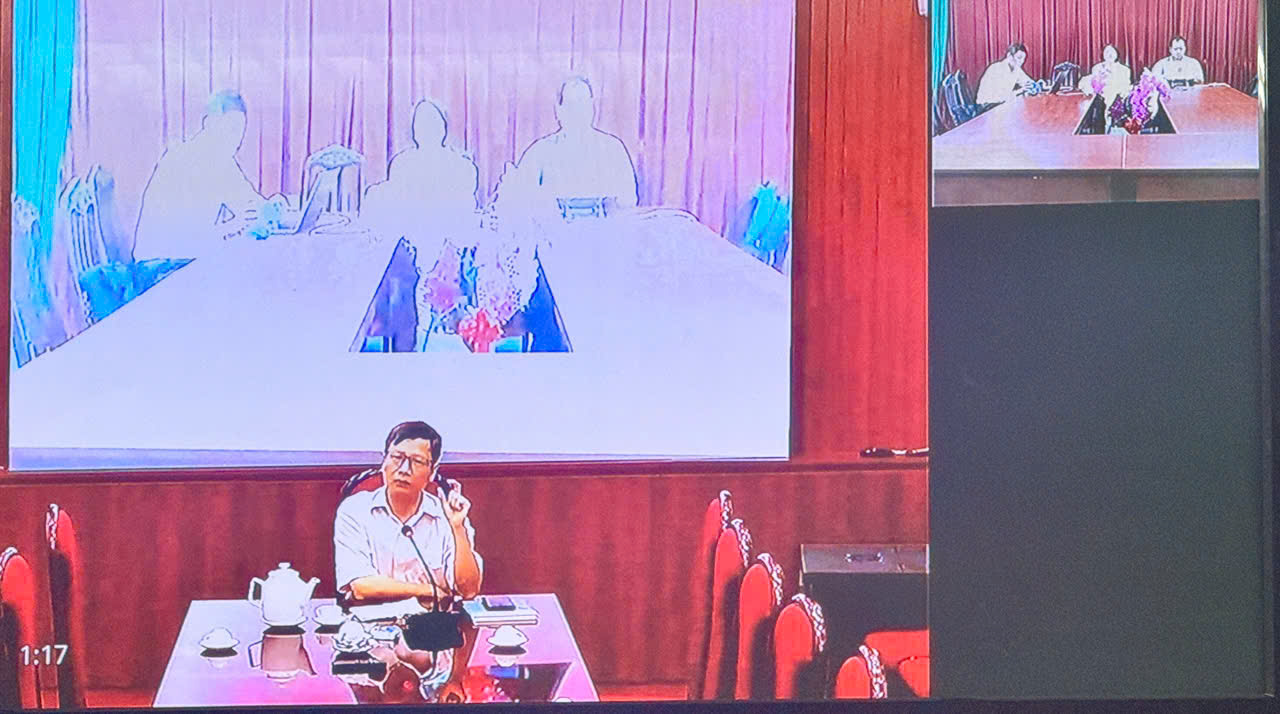
We are walking.
And we will walk to the end.
Nguyen Ngoc Hai